Establishing Clear Communication Channels

Effective communication is the backbone of any mutual aid network. Clear communication channels ensure that information flows smoothly between members, fostering collaboration and minimizing confusion.
Utilizing Digital Platforms for Coordination
In today's digital age, leveraging technology is essential for effective coordination within mutual aid networks. Platforms like Slack, Discord, or WhatsApp allow for real-time communication and the organization of discussion groups. For example, a mutual aid network in San Francisco utilized Slack to create different channels for various tasks, such as food distribution, volunteer coordination, and resource sharing. This not only streamlined communication but also ensured that members could easily find relevant information. Moreover, using project management tools like Trello or Asana can help track tasks and responsibilities. A mutual aid group in Seattle employed Trello to manage their volunteer schedules and resource requests, resulting in a 30% increase in volunteer engagement due to improved clarity and accountability.
Creating Inclusive Communication Strategies
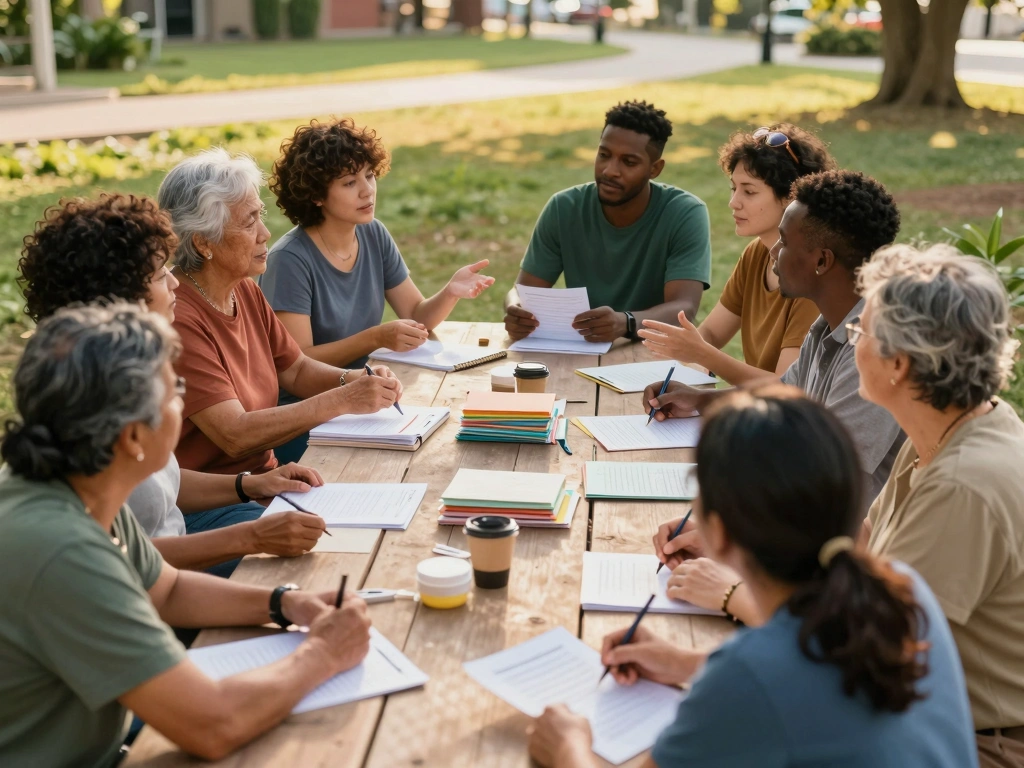
Inclusivity in communication is crucial for ensuring that all voices within the network are heard. This can be achieved by using multiple languages, offering materials in various formats (e.g., written, audio, visual), and ensuring accessibility for individuals with disabilities. A notable example is the mutual aid network in New York City, which created multilingual flyers and utilized text-to-speech technology for their communications. As a result, they were able to engage a wider demographic, including non-English speakers and those with visual impairments. Additionally, holding regular town hall meetings—whether virtual or in-person—encourages participation from diverse community members. These gatherings allow for open dialogue and help to ensure that the network remains responsive to the needs of the community.
Regular Check-Ins and Feedback Mechanisms
Establishing regular check-ins fosters a culture of feedback and continuous improvement. Weekly or bi-weekly check-ins can be held to discuss ongoing projects, address challenges, and celebrate successes. For instance, a mutual aid group in Detroit instituted bi-weekly meetings that included a feedback session, which led to a 25% increase in volunteer retention over six months. Moreover, implementing feedback mechanisms such as surveys or suggestion boxes can help gather insights from network members. Using tools like Google Forms or SurveyMonkey allows members to anonymously share their thoughts, which can lead to actionable improvements in network operations.
Defining Roles and Responsibilities Within the Network
Clearly defined roles and responsibilities are essential for the smooth operation of mutual aid networks. This structure helps ensure that tasks are distributed fairly and that each member knows what is expected of them.
Establishing Leadership Structures
Creating a leadership structure helps organize the efforts of the network. This can range from appointing coordinators for specific tasks to forming committees for larger initiatives. For instance, a mutual aid network in Chicago established a leadership team comprised of individuals responsible for logistics, outreach, and community engagement. This structure allowed for more efficient decision-making and clearer accountability. Moreover, embracing a rotating leadership model can empower more members to take on leadership roles, promoting engagement and ownership within the network. This practice was effectively used by a mutual aid group in Boston, where leadership roles rotated every three months, allowing diverse perspectives to guide the network's initiatives.
Encouraging Volunteer Engagement and Ownership
Encouraging volunteers to take ownership of their roles leads to increased motivation and commitment. Providing opportunities for skill development, such as training sessions on resource management or community organizing, can enhance volunteer engagement. For instance, a mutual aid network in Portland offered workshops on conflict resolution and effective communication, which not only empowered volunteers but also improved the overall dynamics of the group. Additionally, recognizing individual contributions publicly—through newsletters or social media shoutouts—can significantly increase volunteer satisfaction and retention. A network in Los Angeles implemented a "Volunteer of the Month" program, which resulted in a 40% increase in volunteer participation over a year.
Documenting Roles to Enhance Accountability
Documentation is key to maintaining clarity in roles and responsibilities. Creating an organizational chart or a roles and responsibilities document can help members understand their specific duties and how they fit into the larger network. For instance, a mutual aid group in Philadelphia developed a shared Google Doc outlining each member's roles and responsibilities, which reduced overlap and confusion. Regularly updating this documentation as the network evolves ensures that all members are on the same page. Continuous training and onboarding processes for new volunteers can also help maintain a clear understanding of these roles, establishing a sense of continuity within the network.
Building Trust and Relationships Among Members
Trust is a fundamental element in any mutual aid network. Building strong relationships among members fosters a supportive environment that enhances cooperation and collaboration.
Facilitating Community Building Activities
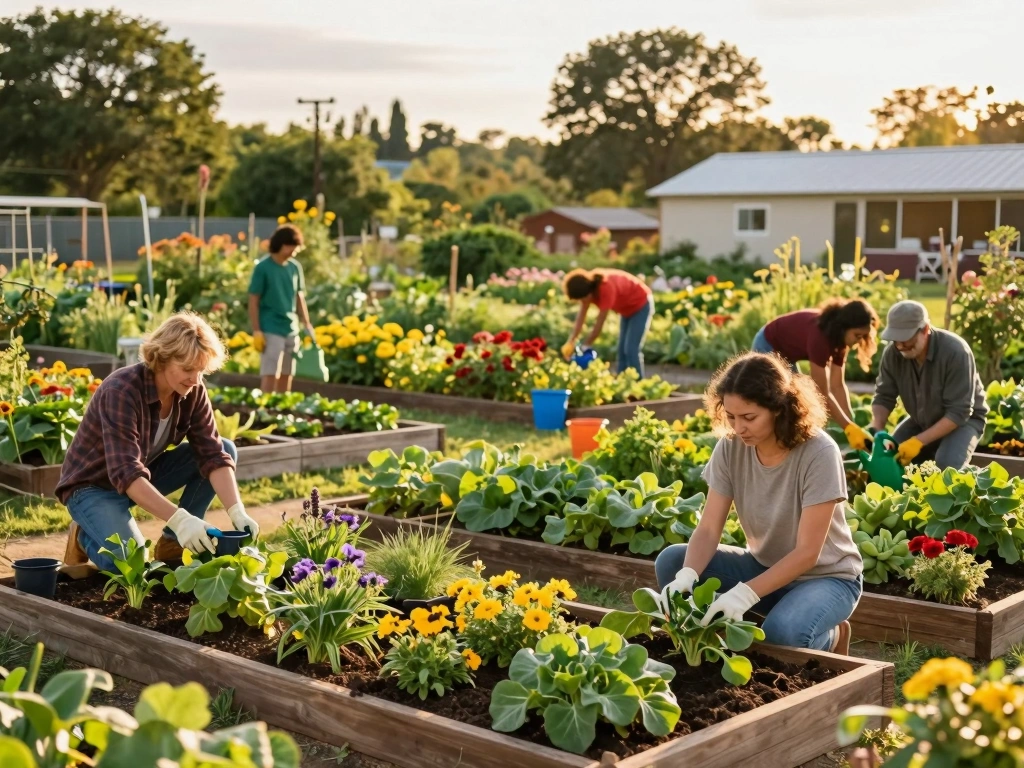
Community-building activities are essential for establishing strong relationships among network members. Organizing social events, such as potlucks or game nights, can provide informal settings for members to connect and bond. For example, a mutual aid network in Austin held monthly community dinners that encouraged members to share their experiences and build friendships, resulting in a more cohesive and motivated group. Additionally, collaborative projects, such as community gardens or neighborhood clean-ups, can strengthen relationships while providing tangible benefits to the community. A mutual aid network in Minneapolis successfully launched a community garden project, which not only produced food but also fostered camaraderie among participants.
Encouraging Open Dialogue and Vulnerability
Creating an environment where members feel safe to express their thoughts and feelings is crucial for building trust. Encouraging open dialogue through regular discussions about challenges and successes can help members feel valued and understood. A successful example of this is a mutual aid network in Denver that incorporated "check-in" rounds at the beginning of meetings, allowing members to share their feelings and create a supportive atmosphere. Workshops focused on emotional well-being and mental health can also foster vulnerability and connection among members. A network in Seattle organized wellness workshops that addressed stress management and self-care, which contributed to a more resilient and trusting community.
Recognizing and Celebrating Contributions
Recognizing and celebrating the contributions of members is vital for cultivating a positive culture within mutual aid networks. Simple gestures, such as thank-you notes or shoutouts during meetings, can go a long way in making members feel appreciated. A mutual aid group in New Orleans implemented a monthly recognition program, where members were acknowledged for their efforts, leading to increased motivation and participation. Celebrating milestones—such as anniversaries, successful projects, or community achievements—can also strengthen the sense of community. Hosting events or creating social media campaigns to highlight these achievements can enhance visibility and foster pride within the network.
Developing Resource Management Strategies
Effective resource management is key to ensuring that mutual aid networks operate smoothly and can meet the needs of their communities effectively.
Creating Inventory Systems for Shared Resources
Establishing an inventory system for shared resources is essential for tracking what is available and ensuring equitable access. Utilizing tools like Google Sheets or Airtable can help networks maintain a clear record of resources, from food supplies to household items. For instance, a mutual aid network in Baltimore created a shared inventory list that allowed members to request and donate items seamlessly, resulting in a 50% reduction in resource shortages. Regularly updating the inventory and conducting audits can help ensure resources are effectively managed. A network in Philadelphia implemented a monthly inventory check, which improved their resource allocation process and reduced waste.
Establishing Fair Distribution Practices
Fair distribution practices are crucial for ensuring that resources reach those who need them most. Implementing guidelines for resource requests can help streamline the process and minimize disparities. For example, a mutual aid group in Chicago created a fair distribution policy that prioritized families with children and seniors, ensuring that the most vulnerable members of the community received support first. Utilizing a transparent request system, such as an online form or dedicated phone line, can enhance accessibility and fairness in resource distribution. A mutual aid network in Portland developed an online form for resource requests, which allowed for easier tracking and organization, leading to a more equitable distribution process.
Implementing Sustainable Funding Models
Sustainable funding models are essential for the long-term viability of mutual aid networks. Diversifying funding sources, such as grants, donations, and fundraising events, can help ensure financial stability. For instance, a mutual aid network in Atlanta launched a crowdfunding campaign that raised over $10,000 within a month, which was used to support their ongoing initiatives. Additionally, forming partnerships with local businesses and organizations can provide additional resources and financial support. A successful example is a mutual aid group in San Diego that partnered with local grocery stores, securing discounts and donations that significantly boosted their resource capacity.
Evaluating Impact and Adapting Practices
Regular evaluation of practices is essential for mutual aid networks to remain effective and relevant. By assessing their impact, networks can identify strengths and areas for improvement.
Setting Clear Goals and Metrics for Success
Establishing clear goals and metrics is vital for measuring the success of mutual aid initiatives. SMART (Specific, Measurable, Achievable, Relevant, Time-bound) goals can provide a framework for setting objectives. For instance, a mutual aid network in Minneapolis set a goal to distribute 1,000 meals in three months, allowing them to track their progress and adjust strategies as needed. Additionally, developing key performance indicators (KPIs) can help evaluate the effectiveness of specific programs. A network in New York City established KPIs related to volunteer engagement, resource distribution, and community satisfaction, allowing for data-driven decision-making.
Conducting Regular Assessments of Network Activities
Regular assessments of network activities can provide valuable insights into their effectiveness. This can include reviewing resource distribution data, gathering feedback from volunteers, and analyzing community impact. A mutual aid network in Washington, D.C., conducted quarterly assessments that highlighted areas for improvement, leading to changes in their distribution methods that increased efficiency by 20%. Utilizing qualitative data, such as testimonials and case studies, can also provide a richer understanding of the network's impact. A network in Boston collected stories from individuals who benefited from their services, which helped illustrate the real-world impact of their efforts.
Incorporating Feedback for Continuous Improvement
Incorporating feedback from network members and the community is essential for continuous improvement. Regularly soliciting feedback through surveys or focus groups allows networks to adapt to changing needs and preferences. A mutual aid group in San Francisco implemented a bi-annual survey to gather feedback, which led to significant changes in their programs based on community input. Moreover, fostering a culture of learning and adaptability can help networks evolve over time. A successful example is a mutual aid network in Los Angeles that held monthly reflection sessions, allowing members to discuss challenges and brainstorm solutions together, leading to enhanced collaboration and innovation.